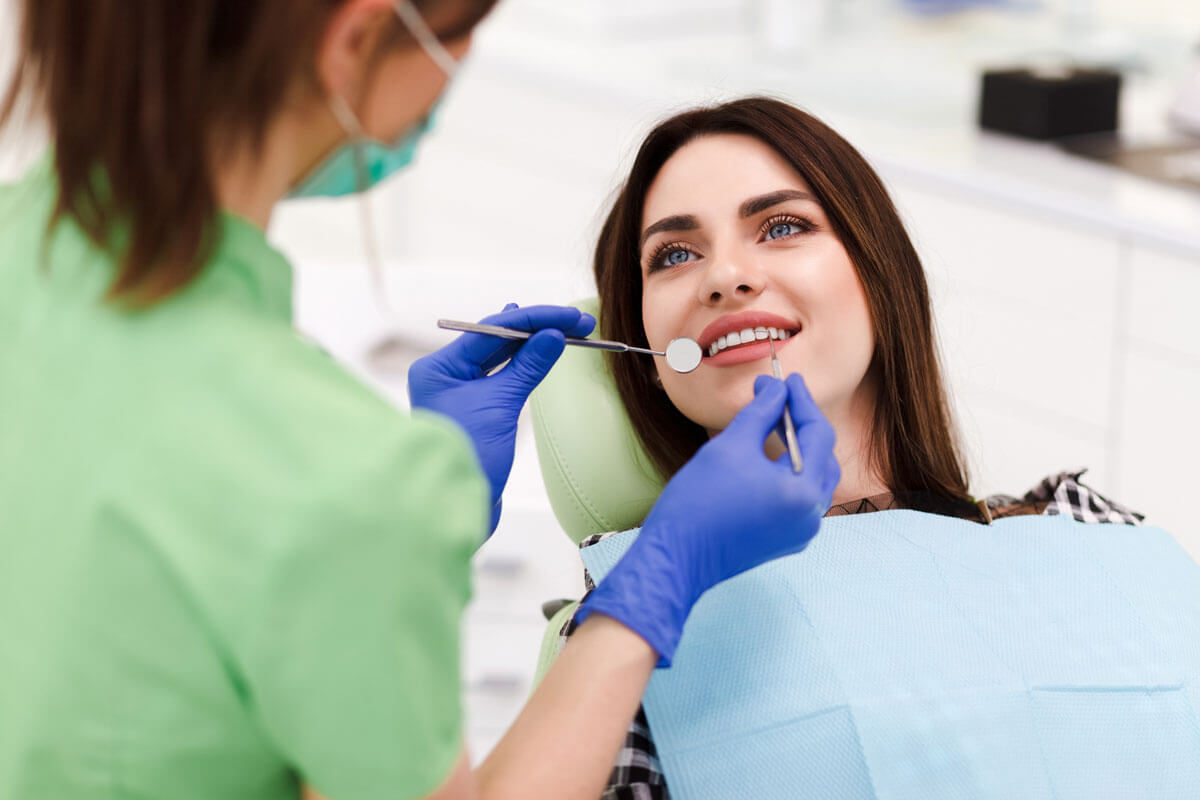
Preventive dental services form the quiet infrastructure of long term oral health, operating with subtle precision long before discomfort or dysfunction emerges. These services focus on anticipation rather than reaction, emphasizing preservation over repair. When oral conditions are identified early or prevented entirely, the cascade of invasive procedures that often follows neglect can be averted. This approach safeguards natural dentition, stabilizes surrounding tissues, and protects overall wellbeing. The financial implications are equally significant, as early intervention typically requires modest investment compared to complex restorative or surgical care. Preventive dentistry also nurtures consistency, encouraging regular engagement with oral health professionals and fostering accountability. Over time, this steady vigilance reduces cumulative damage, minimizes emergency visits, and sustains functional harmony within the mouth. It is a disciplined philosophy that prioritizes foresight and restraint, delivering value through continuity rather than crisis driven care.
Routine Dental Examinations as a Foundation of Prevention
Routine dental examinations serve as the cornerstone of preventive care, offering a structured opportunity to evaluate oral conditions with clinical objectivity. During these assessments, subtle changes in enamel integrity, gum contour, or bite alignment can be detected before they evolve into debilitating problems. Dentists apply trained observation and diagnostic reasoning to identify early decay, inflammatory responses, or structural stress. These findings often remain invisible to untrained eyes, yet they carry significant implications if left unattended. Regular examinations also establish a baseline record, enabling precise comparison over time and enhancing diagnostic accuracy. This continuity supports informed decision making and timely intervention. By maintaining consistent examination schedules, patients benefit from early guidance and minor corrective measures that preserve oral stability. Such vigilance curtails the progression of disease and reduces the likelihood of extensive treatments that demand higher financial and physiological costs.
Professional Dental Cleanings and Their Long Term Value
Professional dental cleanings extend beyond cosmetic enhancement, functioning as a preventive mechanism that protects both teeth and supporting tissues. Even meticulous personal hygiene cannot entirely remove hardened deposits that accumulate in inaccessible areas. These deposits harbor bacteria capable of provoking inflammation and gradual tissue degradation. Through professional instrumentation, dental cleanings eliminate plaque and mineralized buildup, restoring a healthier oral environment. This process also polishes tooth surfaces, making future accumulation less tenacious. Regular cleanings reduce the bacterial load that contributes to decay and periodontal deterioration. They also provide an occasion for early detection of surface irregularities or gum sensitivity. Over time, consistent professional cleanings preserve enamel resilience and gum integrity. This preventive rhythm minimizes the probability of advanced disease that necessitates complex interventions such as root canal therapy or surgical correction.
Fluoride Applications and Enamel Fortification
Fluoride applications play a pivotal role in reinforcing enamel and enhancing resistance to acid erosion. Enamel, though resilient, is susceptible to demineralization caused by bacterial byproducts and dietary acids. Fluoride interacts with tooth structure to promote remineralization, effectively restoring microscopic weaknesses before cavities form. Professional fluoride treatments deliver concentrated protection that surpasses the benefits of daily toothpaste alone. This targeted application is especially valuable for individuals with heightened susceptibility to decay due to dietary habits or reduced saliva flow. Over time, fluoride fortification strengthens the crystalline structure of enamel, making it less permeable to harmful agents. This preventive measure reduces the incidence of cavities and delays restorative needs. By preserving natural tooth structure, fluoride applications help avoid extensive procedures that compromise tooth vitality and incur substantial expense.
Dental Sealants as a Barrier Against Decay
Dental sealants provide a physical barrier that shields vulnerable tooth surfaces from bacterial infiltration. Molars and premolars possess intricate grooves that readily trap food particles and microorganisms, creating ideal conditions for decay. Sealants flow into these crevices, forming a smooth protective layer that simplifies cleaning and reduces risk. This preventive service is particularly effective during periods of heightened susceptibility, such as early adulthood when newly erupted teeth are still maturing. Sealants function silently, requiring minimal maintenance while delivering sustained protection. By obstructing the pathways through which decay initiates, they significantly lower cavity incidence. The simplicity of sealant application contrasts sharply with the complexity of restorative procedures required once decay advances. As a preventive investment, sealants preserve structural integrity and diminish the likelihood of costly interventions later.
Early Diagnostic Imaging and Comprehensive Evaluation
Early diagnostic imaging enhances preventive care by revealing conditions concealed beneath the surface. Radiographic assessment allows clinicians to visualize bone structure, tooth roots, and interproximal areas inaccessible to direct examination. This insight enables early identification of decay, bone loss, or developmental anomalies that might otherwise progress unnoticed. Imaging supports precision, guiding conservative treatment planning that addresses issues at their inception. When abnormalities are detected early, interventions can be limited in scope and complexity. This reduces patient burden and preserves natural anatomy. Diagnostic imaging also contributes to long term monitoring, offering comparative data that informs clinical judgment. By integrating imaging into preventive routines, dental professionals mitigate the risk of sudden complications that demand extensive and expensive corrective procedures.
Periodontal Maintenance and Gum Health Preservation
Periodontal maintenance focuses on sustaining the health of gums and supporting structures, recognizing their critical role in overall oral stability. Gum disease often progresses silently, eroding tissue and bone without immediate discomfort. Preventive periodontal care involves regular assessment, targeted cleaning, and personalized guidance to control bacterial activity. By addressing inflammation early, this approach prevents irreversible damage that can compromise tooth support. Healthy gums act as a protective barrier, reducing systemic exposure to oral pathogens. Periodontal maintenance also stabilizes existing conditions, preventing escalation that would require surgical intervention. The preservation of gum health safeguards natural teeth and maintains functional alignment. Investing in periodontal prevention averts the cascading costs associated with advanced disease, including tooth loss and prosthetic rehabilitation.
Patient Education and Behavioral Reinforcement
Patient education constitutes a vital yet often underestimated component of preventive dentistry. Knowledge empowers individuals to make informed choices that influence daily habits and long term outcomes. Through professional guidance, patients gain clarity on effective hygiene techniques, dietary considerations, and behavioral factors that impact oral health. This education fosters accountability and consistency, transforming preventive services into collaborative efforts. When individuals understand the rationale behind recommendations, adherence improves and preventive measures gain efficacy. Behavioral reinforcement bridges the gap between clinical care and daily practice, ensuring that professional interventions are supported by personal commitment. Over time, informed behavior reduces risk exposure and stabilizes oral conditions. This synergy between education and prevention diminishes the likelihood of advanced disease and the financial strain of corrective treatments.
Risk Based Preventive Planning for Sustainable Outcomes
Risk based preventive planning tailors dental care to individual needs, acknowledging that susceptibility varies across populations. By evaluating factors such as medical history, lifestyle, and existing conditions, dental professionals can design customized preventive strategies. This personalized approach optimizes resource allocation, focusing attention where it yields the greatest benefit. Risk assessment guides frequency of visits, choice of preventive services, and intensity of monitoring. Such precision enhances effectiveness while avoiding unnecessary procedures. Over time, risk based planning fosters sustainable oral health by addressing vulnerabilities proactively. This method reduces the incidence of unexpected complications and distributes care evenly across time. The result is a balanced preventive framework that minimizes disruption, preserves oral structures, and prevents the escalation of issues into costly and invasive treatments.
About The Author